Skincare guides
Short, plain-English guides for anyone new to Korean and Japanese skincare.
Featured guide
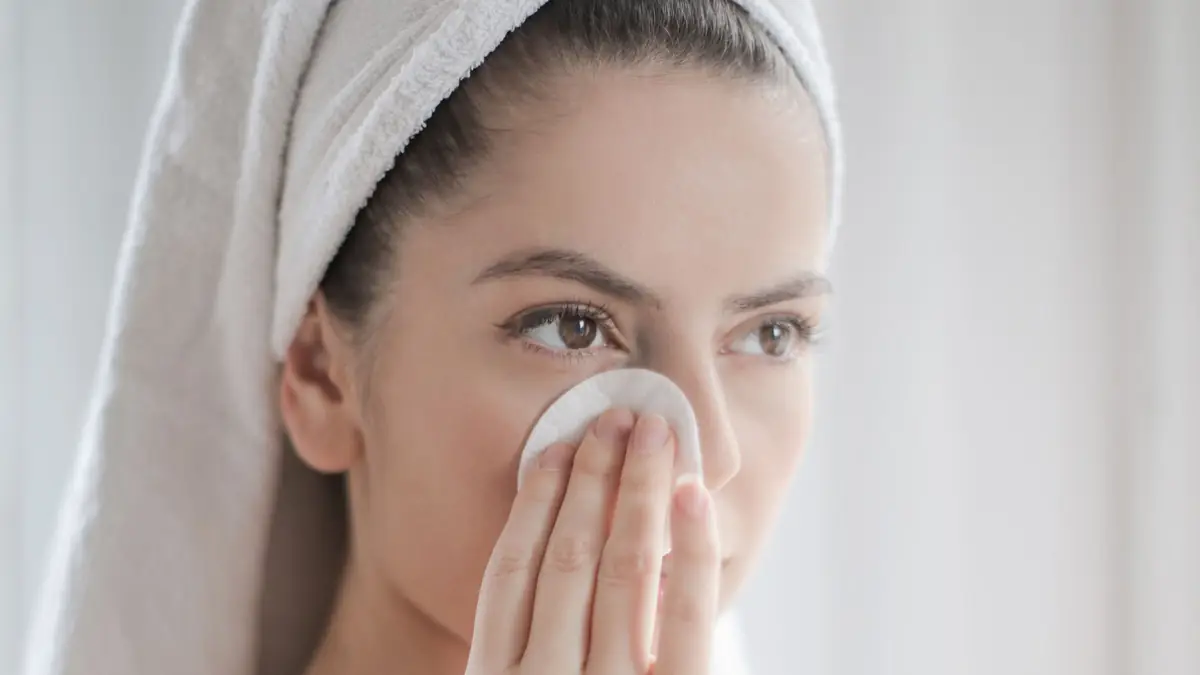
5 min readOily skin
Korean Skincare Routine for Oily Skin
Keep it light: a gentle cleanser, a thin toner, and a gel moisturiser, morning and evening. Blot midday shine instead of over-washing, and add one weekly extra such as a clay mask or gentle exfoliant. Add one product at a time and patch test first.
Read guide →Start here
Three short reads, in this order, before you build a routine.
All guides
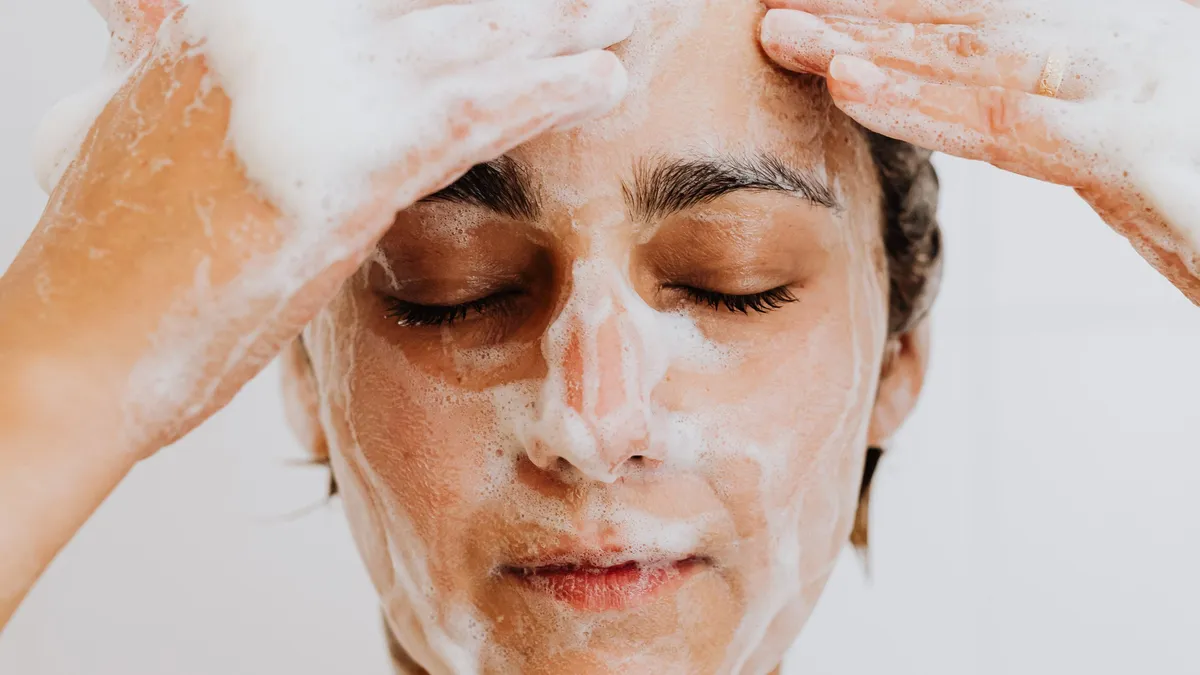
4 min readBreakouts
Korean Skincare Routine for Acne-Prone Skin
Start with two essentials: a gentle cleanser and a lightweight moisturiser. Add a calming toner or serum if you like, and an exfoliant only later. Add one product at a time, patch test it first, and give each change a few weeks. For persistent or severe acne, see a GP or dermatologist.
Read guide →5 min readOily skin
Korean Skincare Routine for Oily Skin
Keep it light: a gentle cleanser, a thin toner, and a gel moisturiser, morning and evening. Blot midday shine instead of over-washing, and add one weekly extra such as a clay mask or gentle exfoliant. Add one product at a time and patch test first.
Read guide →
5 min readShopping online
How to Spot Fake K-Beauty Products
Counterfeit skincare can look very close to the real thing, so no single check is enough. Buy from places the brand itself lists, compare packaging and batch codes with the brand's own site, and be wary of prices that look too good to be true. If something looks or smells wrong, stop using it.
Read guide →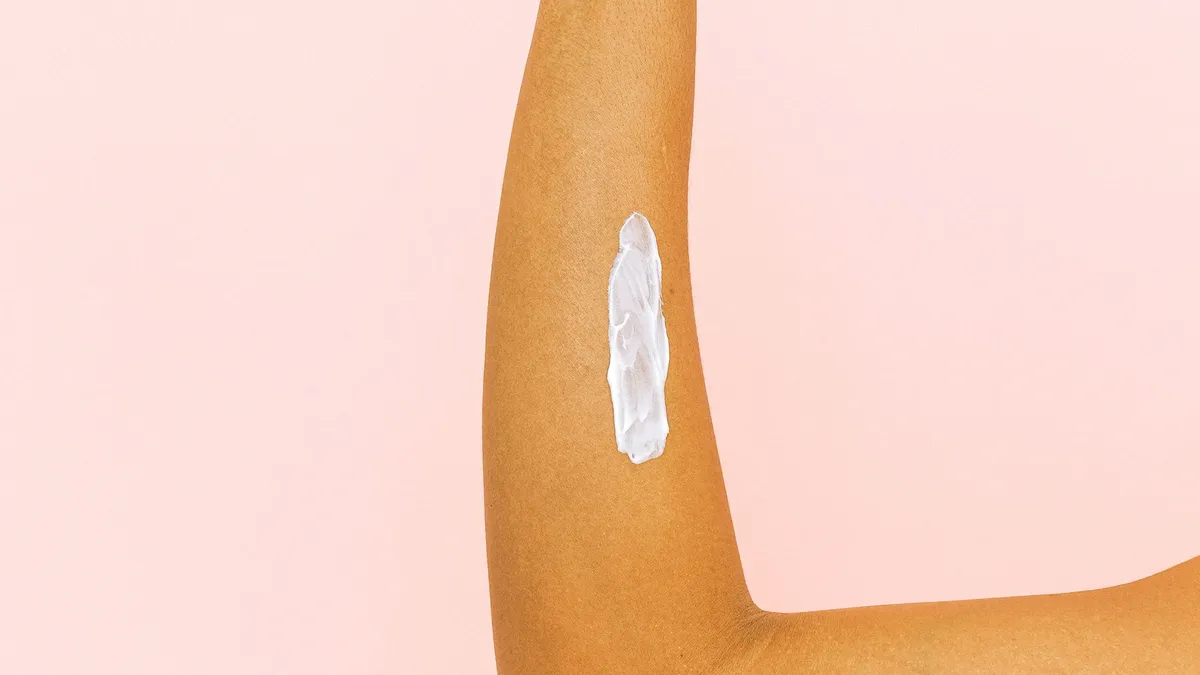
4 min readSensitive skin
How to Patch Test Skincare
A patch test means trying a small amount of a new product on a small area of skin first, so you can spot a reaction before using it more widely. Apply it, leave it, check after 24 hours and again after 48. Stop if you see redness, itching, swelling or burning.
Read guide →
3 min readBreakouts
Skincare Routine Order: What Goes First
Apply products from thinnest to thickest: cleanser, toner, serum, then moisturiser. Evening routines can start with an oil cleanser if you wear makeup. Exfoliants go on clean skin and are used sparingly. Add one new product at a time.
Read guide →
4 min readBreakouts
BHA vs AHA for Oily, Acne-Prone Skin
AHAs (such as glycolic and lactic acid) work on the surface of skin and help it look smoother and brighter. BHA (salicylic acid) is oil-soluble, so it is often chosen for oily, congested-looking skin and the look of pores. Start with one, once or twice a week, and patch test first.
Read guide →
6 min readOily skin
Moisturiser for Oily Skin: Do You Need One?
Yes. Oily skin can still feel dehydrated, and skipping moisturiser does not make skin less oily-looking. Choose a light gel or lotion, use a small amount, and add it as the last step after cleanser and any serum. If your skin is dry or dehydrated instead, the same step applies with a richer texture: see the dry skin section below.
Read guide →
3 min readOily skin
Niacinamide: What It Does and How to Use It
Niacinamide is a form of vitamin B3 found in many serums, toners and moisturisers. It is commonly used to help the look of pores and shine, and to even out the look of skin tone. Start with a low-to-mid strength, patch test, and use it once a day.
Read guide →
3 min readSensitive skin
Centella (Cica) for Sensitive Skin
Centella (also called cica or gotu kola) and heartleaf are plant ingredients popular in Korean skincare for soothing the look and feel of easily irritated skin. Choose a simple, fragrance-free product if you can, patch test first, and add one product at a time.
Read guide →
4 min readOily skin
Blackheads vs Sebaceous Filaments
Blackheads are darker, raised-looking dots; sebaceous filaments are pale, evenly spaced and a normal part of oily skin. Squeezing tends to irritate either one. Gentle cleansing, a BHA a few times a week, a light moisturiser and niacinamide can help pores look less noticeable.
Read guide →