How to patch test skincare before you use it on your face
Skinova Diary · · 4 min read
TL;DR: A patch test means trying a small amount of a new product on a small area of skin first, so you can spot a reaction before using it more widely. Apply it, leave it, check after 24 hours and again after 48. Stop if you see redness, itching, swelling or burning.

What a patch test is
A patch test is a small trial. You put a little of a new product on one small area, wait, and watch for a reaction. It can help you spot an obvious problem before the product goes all over your face.
It is a sensible habit with any new product, and especially if your skin is sensitive or acne-prone. If you are building a routine, see our beginner routine for acne-prone skin for how to add products one at a time, or browse sensitivity picks.
A patch test is not a guarantee. Skin can still react after the test, and a clear patch does not mean the product will suit you.
How to patch test
- Start with clean, dry skin on the area you will test.
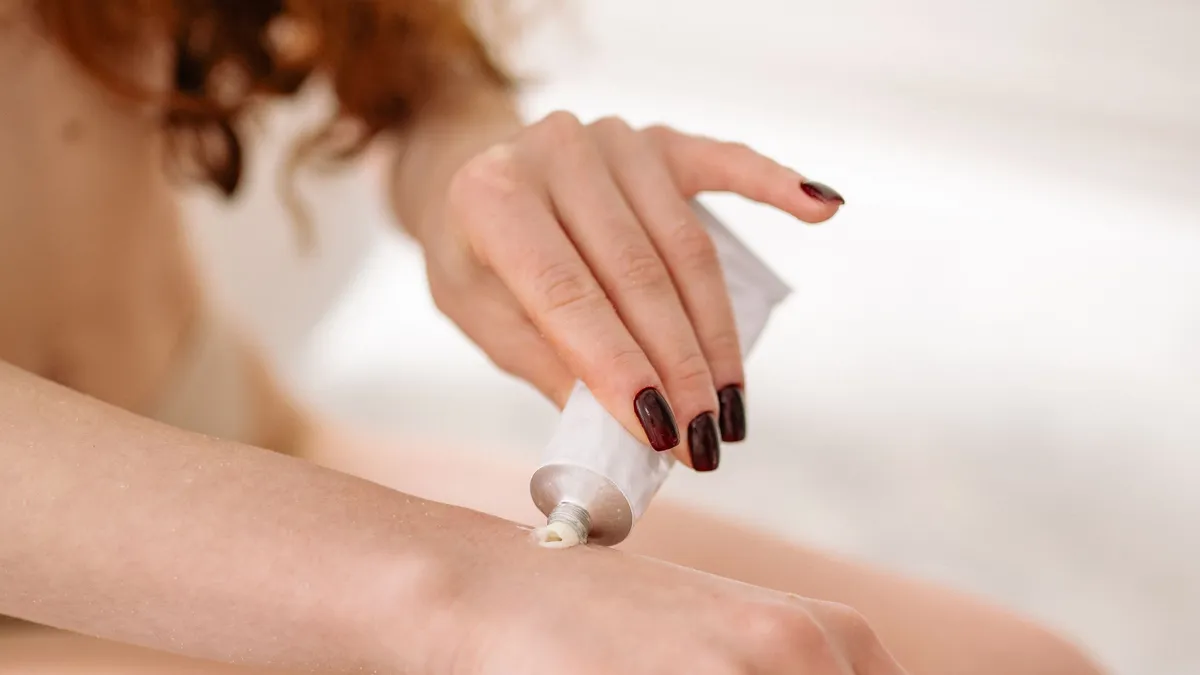
- Choose a spot. The inner forearm is common. Some people use the skin just behind the ear or along the jawline, because it is closer to where the product will go. Pick an area you can leave alone without covering it with makeup or other products.
- Apply a small amount of the product, about the size of a pea or less, to a patch roughly the size of a coin.
- Leave it on as you would normally use it. For a rinse-off product such as a cleanser, apply it, then rinse after the time the instructions say.
- Wait and check. Look at the spot after about 24 hours, and again after 48 hours. Do not apply other new products to the same area meanwhile.
- If it is clear, introduce the product slowly on your face, for example every second day at first.
For products with a stronger formula, such as an exfoliating acid, you may want to repeat the test for a few days in a row, or follow the maker's instructions.
What to look for
Signs your skin may not like the product:
- Redness
- Itching
- A burning or stinging feeling
- Swelling
- Dry, rough or bumpy patches
- Blisters or hives
Mild tingling can happen with some products, but anything that is painful or does not settle quickly is a reason to stop.
What to do if you react
- Rinse the area with lukewarm water and stop using the product.
- Do not keep testing it. One reaction is enough.
- Keep the packaging and note the ingredients, which may help a doctor or pharmacist.
- Get advice. See a GP or pharmacist if the reaction is painful, spreading, swollen or not settling, or go to urgent care if you have trouble breathing or your face or lips swell.
Patch testing vs. introducing products slowly
A patch test checks for a quick reaction. It does not replace adding one product at a time, because some reactions take longer to show. Introduce new products one by one, a couple of weeks apart. Our skincare routine order guide shows where each product fits.
FAQ
How long should I wait before using a new product?
Check after 24 hours and again after 48. Some brands and professionals suggest waiting longer for stronger products. Follow the product's instructions.
Do I need to patch test every product?
It is a good habit for anything new, especially products with fragrance, acids or other active ingredients. It matters less for a product you have used before, but formulas change.
Can I patch test on my face instead?
You can use a small spot along your jawline. Avoid the eye area. If the product is for the eyes, follow the maker's instructions.
Does a clear patch test mean the product is safe for me?
No. It only means there was no quick reaction on that spot. If your skin reacts later, stop using it.
What if I have persistent skin problems?
If you have persistent or severe acne, or your skin reacts to many products, see a GP or dermatologist.
Next steps
- Next, see where each product fits: skincare routine order
- Build a short routine with the routine builder
- Browse sensitivity picks
- Learn about acne and blemishes picks
This guide is general information, not medical advice. How we write our guides: the Skinova Diary team writes them as general information, drawing on product labels and public guidance.
Skincare Routine Order: What Goes First
3 min readBreakouts
Related guides
4 min readBreakouts
Korean Skincare Routine for Acne-Prone Skin
Start with two essentials: a gentle cleanser and a lightweight moisturiser. Add a calming toner or serum if you like, and an exfoliant only later. Add one product at a time, patch test it first, and give each change a few weeks. For persistent or severe acne, see a GP or dermatologist.
Read guide →
3 min readSensitive skin
Centella (Cica) for Sensitive Skin
Centella (also called cica or gotu kola) and heartleaf are plant ingredients popular in Korean skincare for soothing the look and feel of easily irritated skin. Choose a simple, fragrance-free product if you can, patch test first, and add one product at a time.
Read guide →