A Korean skincare routine for oily skin
Skinova Diary · · 5 min read
TL;DR: Keep it light: a gentle cleanser, a thin toner, and a gel moisturiser, morning and evening. Blot midday shine instead of over-washing, and add one weekly extra such as a clay mask or gentle exfoliant. Add one product at a time and patch test first.

Shiny by lunchtime? Start with less, not more
If your skin looks shiny a few hours after washing, it is tempting to scrub harder and layer on more. That usually leaves skin tight and shinier by the afternoon. A short, light Korean routine does more for how skin looks and feels.
This guide covers a morning, an evening, what to do through the day and one weekly extra. If you would rather be guided, our routine builder suggests a short set of steps for your skin type, and our oily skin picks are a good place to browse. If breakouts are your main worry, start with our beginner routine for acne-prone skin instead.
Morning: keep it quick and light
- Cleanse. Use a gentle cleanser with a gel or low-foam texture. Massage for about 30 seconds and rinse with lukewarm water. Skin that feels squeaky or tight afterwards is a sign the cleanser may be too strong for you.
- Refine. A toner in a light, water-based texture helps skin feel fresh and can help refine the look of pores. Pick one, not three.
- Moisturise. Yes, even with oily skin. A light gel moisturiser hydrates without a heavy finish. Our guide on moisturiser for oily skin explains why skipping it rarely helps.
Daytime sun protection is the last step of your morning routine.
Evening: take off the day
If you wear makeup, start with a cleansing oil or balm, then follow with your gentle cleanser (double cleansing). If you do not wear makeup, one gentle cleanse is enough.
Then repeat the same toner and gel moisturiser. Your evening routine can be the same three steps as your morning, which makes it easy to keep up.
Ingredients often chosen for oily skin include:
- Niacinamide: commonly used in products that help skin look balanced and help refine the look of pores. See our niacinamide guide.
- Centella (cica): found in soothing formulas that help calm the look of redness.
- BHA (salicylic acid): an oil-soluble exfoliating acid that helps remove dead skin cells and can help reduce the appearance of clogged pores. Our BHA vs AHA guide compares it with AHA.
Through the day: blot, don't over-wash
Washing your face again at midday can leave skin feeling stripped, and that is when many people reach for heavier products. Instead:
- Press a clean blotting paper or tissue gently on shiny areas. Press, do not rub.
- Skip extra scrubbing or harsh wipes.
- If your skin feels tight rather than greasy, a light mist or a thin layer of gel moisturiser may suit you better than another cleanse.
Some shine through the day is normal. The goal is skin that feels comfortable, not skin that never looks glossy.
Weekly: one extra, once or twice
Once your base feels settled, you can add one weekly step. Choose one, not both:
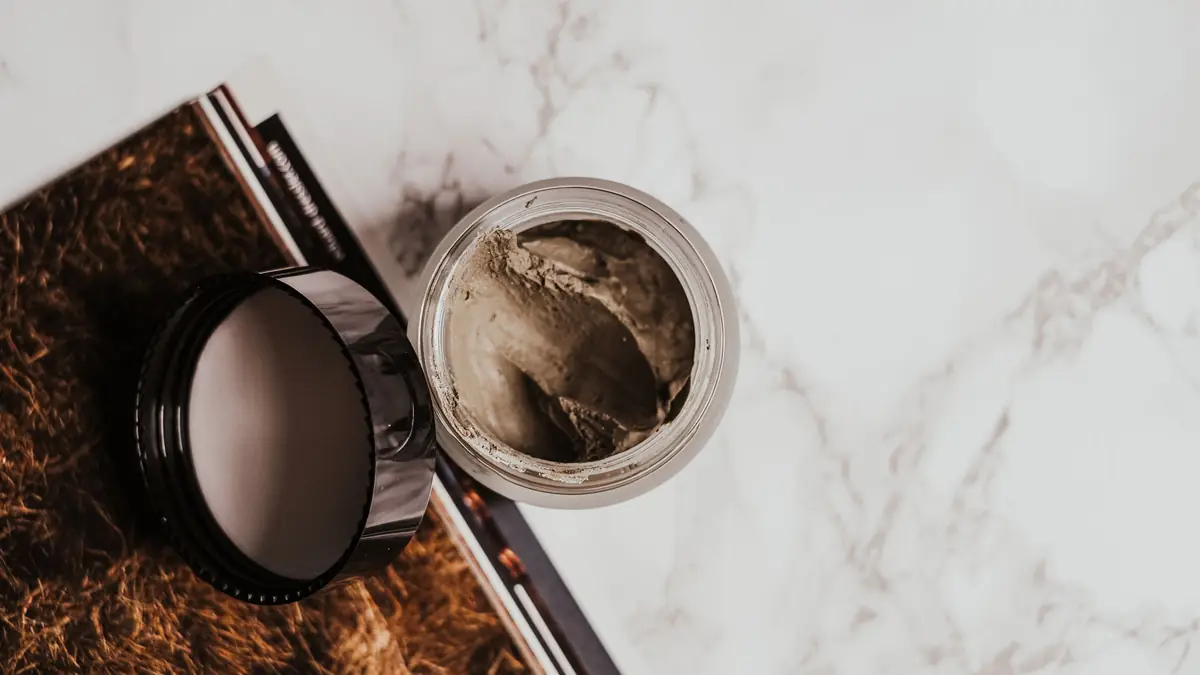
- A clay mask: many people use a clay mask once a week on shiny areas such as the forehead, nose and chin. It can help absorb surface oil and leave skin feeling clean. Rinse it off before it dries hard.
- A gentle exfoliant: a mild exfoliant, such as a peeling gel, helps remove dead skin cells so skin feels smoother and can help reduce the appearance of rough texture. Start with once a week in the evening, and never stack several exfoliants.
Stop and go back to your base if skin stings, feels hot or looks red.
How to start
This matters more than which product you choose.
- Begin with two steps. A gentle cleanser and a gel moisturiser. Add the toner after a week or two.
- Patch test first. Our guide shows how to patch test skincare in a few minutes.
- Add one product at a time. Wait at least two weeks before the next, so you know which one your skin likes.
- Judge over weeks, not days. Skin takes time to settle.
- Not sure of the order? Our skincare routine order guide explains the logic.
Skincare products are cosmetics. They can help skin feel comfortable and look smoother, but they cannot change how your skin works. Results vary from person to person.
FAQ
Should oily skin skip moisturiser?
No. Oily skin can still feel dehydrated. A light gel texture hydrates without feeling heavy.
How many times a day should I wash my face?
Twice is plenty for most people: morning and evening. Extra washing can leave skin feeling tight and stripped.
Is a Korean routine too many steps for oily skin?
Not if you keep it short. Three steps, morning and evening, is a solid base. You can add more later, one at a time.
When should I see a doctor?
If you have persistent, painful or scarring breakouts, or your skin is affecting your wellbeing, see a GP or dermatologist. Skincare is not a substitute for medical advice.
Next steps
- Build a short routine with the routine builder
- Browse oily skin picks
- Read how to patch test skincare before you add something new
This guide is general information, not medical advice. For persistent or severe breakouts, see a GP or dermatologist. How we write our guides: the Skinova Diary team writes them as general information, drawing on product labels and public guidance.
Related guides
6 min readOily skin
Moisturiser for Oily Skin: Do You Need One?
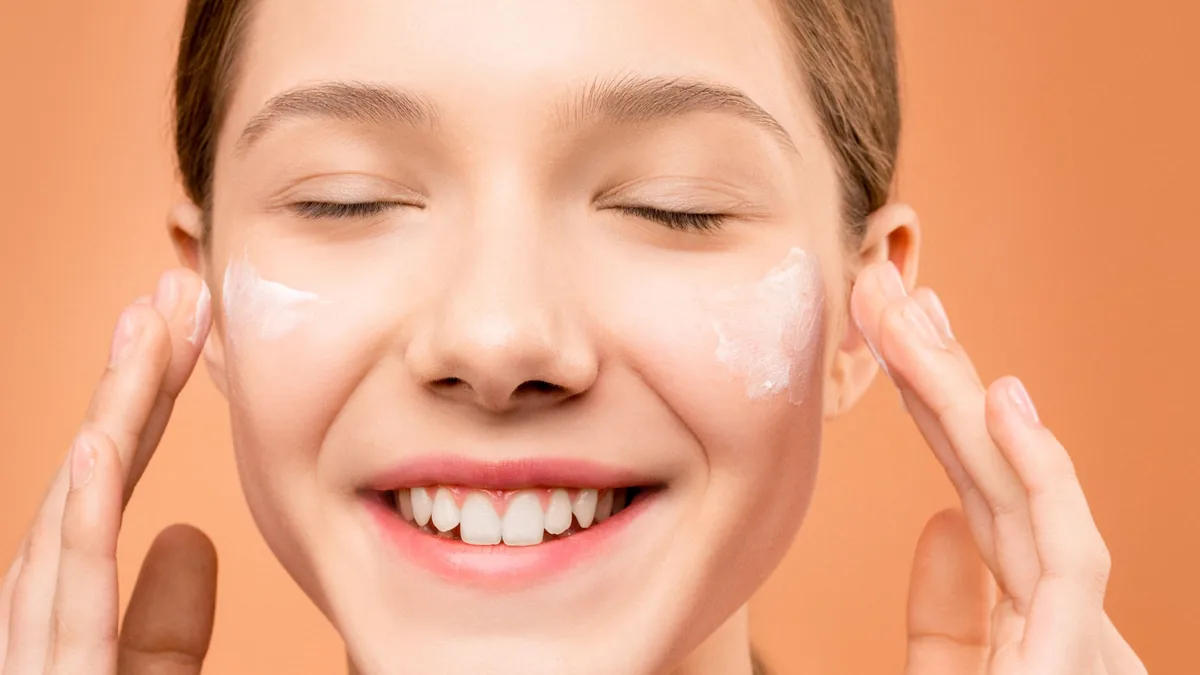
Yes. Oily skin can still feel dehydrated, and skipping moisturiser does not make skin less oily-looking. Choose a light gel or lotion, use a small amount, and add it as the last step after cleanser and any serum. If your skin is dry or dehydrated instead, the same step applies with a richer texture: see the dry skin section below.
Read guide →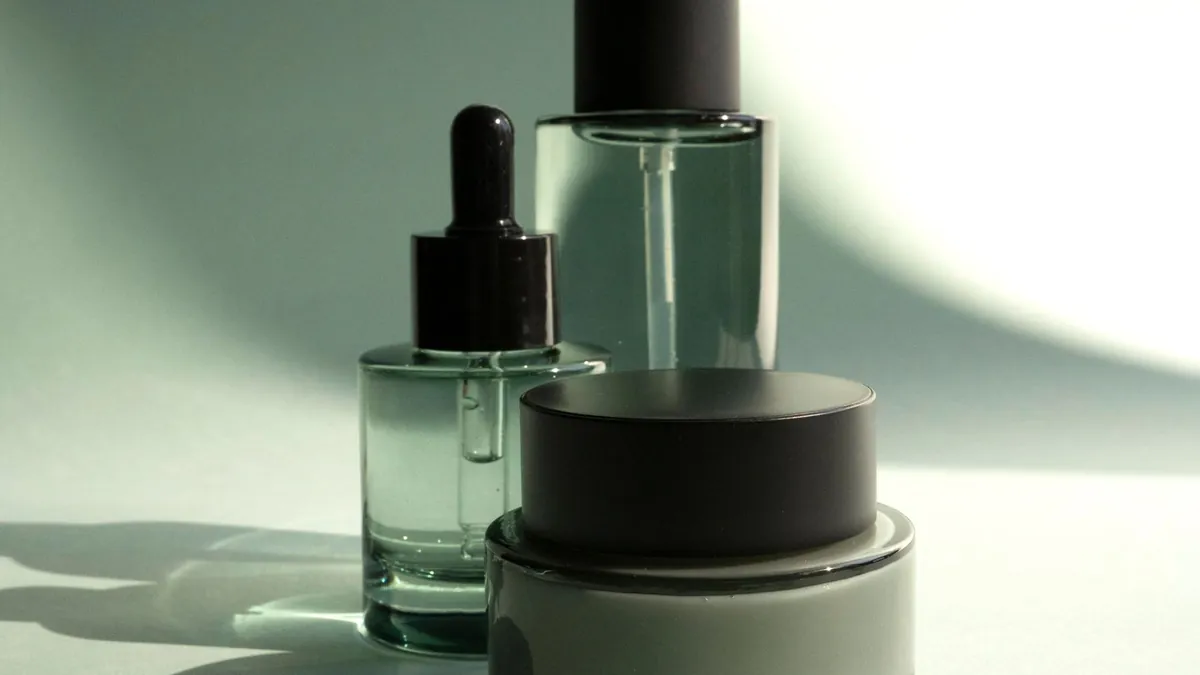
4 min readBreakouts
BHA vs AHA for Oily, Acne-Prone Skin
AHAs (such as glycolic and lactic acid) work on the surface of skin and help it look smoother and brighter. BHA (salicylic acid) is oil-soluble, so it is often chosen for oily, congested-looking skin and the look of pores. Start with one, once or twice a week, and patch test first.
Read guide →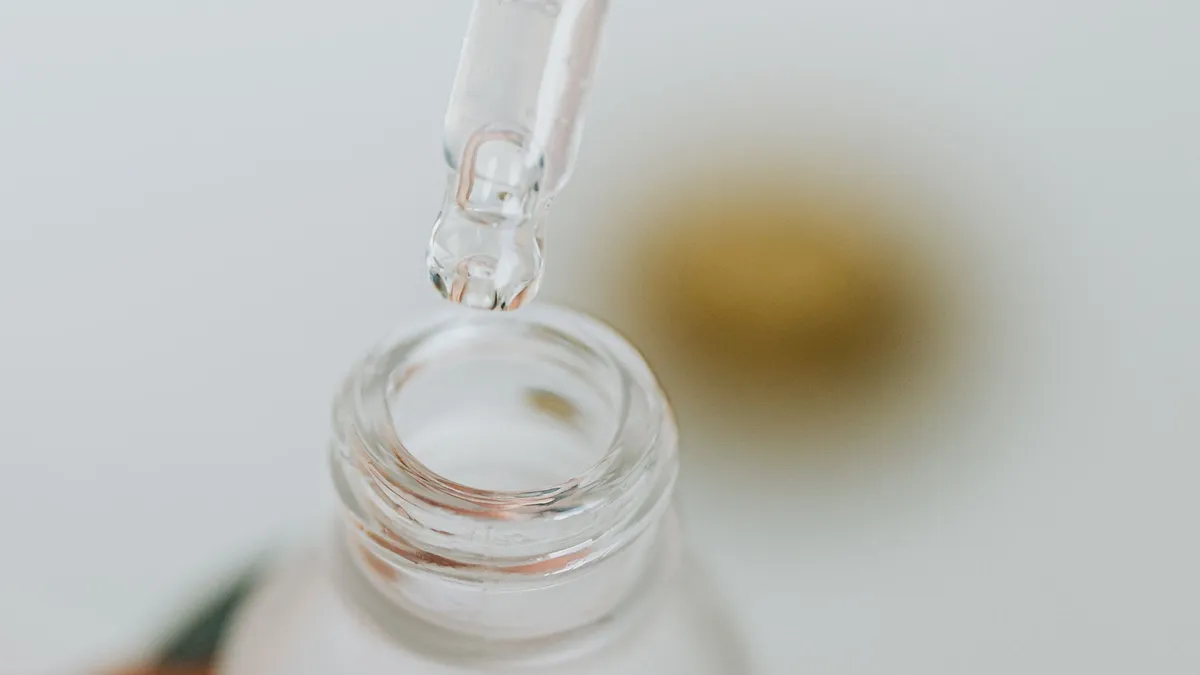
3 min readOily skin
Niacinamide: What It Does and How to Use It
Niacinamide is a form of vitamin B3 found in many serums, toners and moisturisers. It is commonly used to help the look of pores and shine, and to even out the look of skin tone. Start with a low-to-mid strength, patch test, and use it once a day.
Read guide →