Moisturiser for oily skin: do you need one?
Skinova Diary · · 6 min read
TL;DR: Yes. Oily skin can still feel dehydrated, and skipping moisturiser does not make skin less oily-looking. Choose a light gel or lotion, use a small amount, and add it as the last step after cleanser and any serum. If your skin is dry or dehydrated instead, the same step applies with a richer texture: see the dry skin section below.
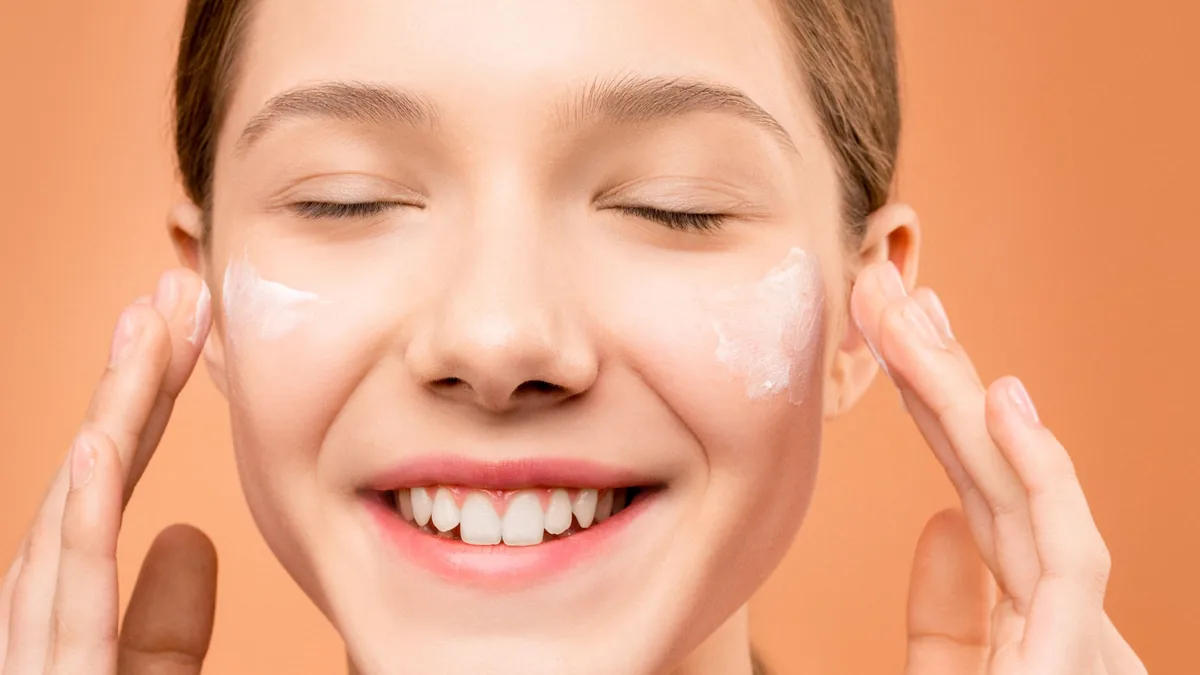
Short answer: yes
Oil and water are different things. Skin can make plenty of oil and still lack water, which is why some people have a shiny T-zone and tight cheeks at the same time.
A moisturiser helps skin hold on to water and feel comfortable. If you skip it, skin may feel tight after cleansing, and some people find their skin looks shinier by the afternoon. That is not the same for everyone, but it is a common experience.
Oily, dry or dehydrated: how to tell
Three words get mixed up, and they describe different things:
- Oily skin looks shiny, often within a few hours of washing. It is about how much oil your skin makes.
- Dry skin makes less oil. It tends to feel tight, rough or flaky most of the time, and it often feels worse in cold weather, in air conditioning or after a hot shower.
- Dehydrated skin is short of water, not oil. It can happen to any skin type, so it can feel tight, a little rough or dull even if it also looks shiny. Dehydrated skin can make fine lines look more noticeable.
You can have more than one at once. A rough guide: if your skin feels tight within minutes of cleansing but looks shiny by the afternoon, it is probably oily and dehydrated. If it feels rough and looks flaky or dull most of the day, it is more likely to be dry.
If your skin feels tight after cleansing, your cleanser may be too strong, or you may be skipping moisturiser. A gentler cleanser from our cleansers range is a good first change.
What to look for
For oily or acne-prone skin, texture matters more than the label.
- Gel or gel-cream. Light, water-based and quick to absorb.
- Lotion. A little richer than a gel, still light on skin.
- Hydrating ingredients such as hyaluronic acid, glycerin, panthenol and ceramides help skin feel hydrated without a heavy finish.
- Soothing ingredients such as centella can suit skin that is easily irritated. See our centella guide.
- "Non-comedogenic" on a label means a product is designed to be less likely to clog pores. It is a helpful hint, not a guarantee.
Heavier creams, rich balms and thick sleeping masks tend to feel too much for oil-prone skin, though they can suit dry areas or the colder months.
Browse our moisturisers, or see the oiliness picks for products that suit shine-prone skin.
Dry or dehydrated skin: choose a cream
If your skin is dry, or dehydrated and not very oily, you can go a step richer than the gel advice above.
- Cream or gel-cream. A cream feels richer and sits on skin longer, which many people with dry skin find more comfortable. A gel-cream is a good middle option if a cream feels heavy.
- Ingredients to look for: ceramides, glycerin, hyaluronic acid, panthenol and squalane help skin feel hydrated and soft.
- Apply on slightly damp skin, right after cleansing or toner, so the moisturiser helps hold that water on skin.
- Combination skin: use a gel on your T-zone and a cream on drier cheeks, or a gel by day and a cream at night.
- Keep the rest gentle. A mild, non-foaming cleanser and one new product at a time. If you use an exfoliating acid, use it less often and moisturise afterwards.
Dry skin can also be a seasonal change, so you may want a richer texture in winter and a lighter one in summer.
If your skin is itchy, red, painful or keeps flaking despite moisturising, see a GP or pharmacist rather than adding more products.
How to use it
- Cleanse first. Use a gentle cleanser, not one that leaves skin squeaky.
- Apply on slightly damp skin if you like. It can make a light formula feel more comfortable.
- Use a small amount, about the size of a pea or a little more for your whole face.
- Apply it last after any toner or serum. See our skincare routine order guide.
- Do it morning and night. Many people use a lighter gel in the morning and a slightly richer one at night.
If you use an exfoliating acid in the evening, moisturise afterwards as well. Our BHA vs AHA guide has more on how to start.
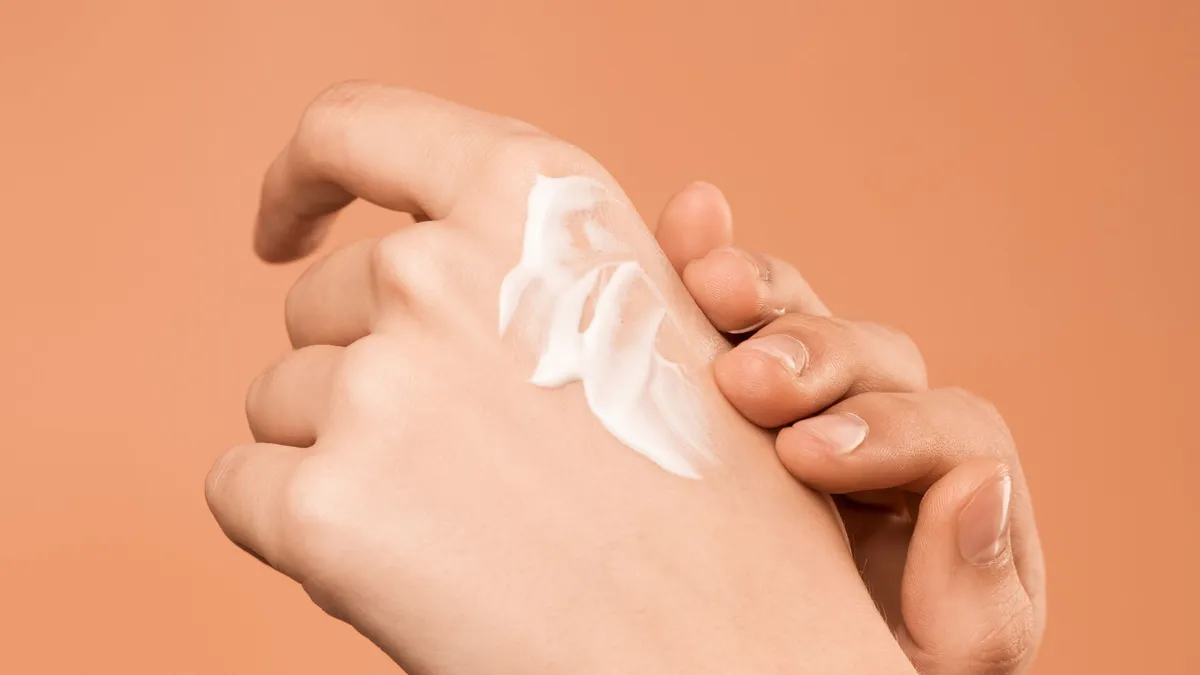
Common mix-ups
- "Oil-free" does not mean it is the best choice. Some oils are light and suit skin well, and some oil-free gels feel sticky. Try a patch test and see how it feels.
- Mattifying products are not the same as moisturisers. They are designed to reduce the look of shine. They can be used alongside moisturiser, not instead of it.
- Blotting and then moisturising is fine. You do not have to leave skin bare.
FAQ
Will a moisturiser make my skin more oily?
A light formula should not feel greasy. If it does, try a thinner texture or a smaller amount. If you notice new bumps after starting a product, stop and see our patch testing guide.
Should I use a moisturiser if I use niacinamide?
Yes. Niacinamide is a serum step, not a replacement. See niacinamide: what it does and how to use it.
Do I need a different moisturiser in morning and night?
Not necessarily. One light moisturiser is a complete step. Some people prefer a gel in the morning and a slightly richer cream at night.
How do I know it suits me?
Skin should feel comfortable, not tight and not greasy, a few hours later. Introduce one product at a time and give it a few weeks.
My skin is oily in summer and dry in winter. Do I need two moisturisers?
You do not have to, but many people swap textures with the seasons: a light gel when it is warm and a cream when it is cold or the air is dry. Change one product at a time and patch test the new one.
When should I see a doctor?
If you have persistent or severe acne, or your skin reacts to many products, see a GP or dermatologist.
Next steps
- Build a short routine, with the right texture for your skin, using the routine builder
- Prefer a Korean-style step-by-step? See Korean skincare routine for oily skin
- Browse moisturisers
- See oiliness picks
This guide is general information, not medical advice. For persistent or severe acne, see a GP or dermatologist. How we write our guides: the Skinova Diary team writes them as general information, drawing on product labels and public guidance.
Related guides
5 min readOily skin
Korean Skincare Routine for Oily Skin
Keep it light: a gentle cleanser, a thin toner, and a gel moisturiser, morning and evening. Blot midday shine instead of over-washing, and add one weekly extra such as a clay mask or gentle exfoliant. Add one product at a time and patch test first.
Read guide →
4 min readBreakouts
Korean Skincare Routine for Acne-Prone Skin
Start with two essentials: a gentle cleanser and a lightweight moisturiser. Add a calming toner or serum if you like, and an exfoliant only later. Add one product at a time, patch test it first, and give each change a few weeks. For persistent or severe acne, see a GP or dermatologist.
Read guide →
3 min readOily skin
Niacinamide: What It Does and How to Use It
Niacinamide is a form of vitamin B3 found in many serums, toners and moisturisers. It is commonly used to help the look of pores and shine, and to even out the look of skin tone. Start with a low-to-mid strength, patch test, and use it once a day.
Read guide →