BHA vs AHA: which exfoliant is right for beginners?
Skinova Diary · · 4 min read
TL;DR: AHAs (such as glycolic and lactic acid) work on the surface of skin and help it look smoother and brighter. BHA (salicylic acid) is oil-soluble, so it is often chosen for oily, congested-looking skin and the look of pores. Start with one, once or twice a week, and patch test first.
What AHA and BHA are
Both are chemical exfoliants. Instead of scrubbing, they help loosen dead skin cells so skin looks and feels smoother.
- AHA (alpha hydroxy acid) is water-soluble and works on the surface. Common ones are glycolic acid, lactic acid and mandelic acid.
- BHA (beta hydroxy acid) is oil-soluble. The one you will see most is salicylic acid, and it can work inside the pore lining as well as on the surface.
- PHA (polyhydroxy acid) is a larger, gentler cousin of AHA. It is a common first step for easily irritated skin.
BHA vs AHA at a glance
| AHA | BHA | |
|---|---|---|
| Soluble in | Water | Oil |
| Works on | The skin's surface | The surface and inside pores |
| Often chosen for | Dullness, rough texture, uneven-looking tone | Oily skin, blackheads, the look of enlarged pores |
| Feel | Can be a little drying | Can be a little drying, but often suits oil-prone areas |
| Common names | Glycolic, lactic, mandelic acid | Salicylic acid, betaine salicylate |
This is general information about how these ingredients are usually described. Products differ, so read the label.
Which should a beginner pick?
- Oily or acne-prone skin with visible pores: start with a gentle BHA. It is the usual first pick, and our oiliness picks and texture and pores picks include BHA products.
- Dull, rough or uneven-looking skin without much oil: a mild AHA such as lactic acid is a common starting point.
- Easily irritated skin: try PHA, or a low-strength product, and go slowly. See our sensitivity picks.
- Not sure: pick one acid, not both. Using one at a time lets you see what your skin thinks of it.
Many Korean products blend AHA, BHA and PHA at low strengths. Those can be a gentle way to start, but they also make it harder to tell which acid your skin is reacting to.
Where to find them
Acids come in several formats, so choose the one that fits your routine:
- Exfoliating toners and pads are the most beginner-friendly format.
- Exfoliants and leave-on products include liquids, peels and spot options.
- Cleansers with a little BHA stay on skin only briefly, which many people find gentler.
How to start
- Patch test first. See how to patch test skincare.
- Use it once or twice a week in the evening, on clean, dry skin. Add it before your moisturiser.
- Go up slowly. If your skin feels fine after a few weeks, you can use it more often. More is not better.
- Do not stack acids. Use only one exfoliating product per evening. Our skincare routine order guide shows where it fits.
- Moisturise. A simple moisturiser on top helps skin feel comfortable.
Acids can make skin more sensitive to sunlight, so follow the product's instructions about daytime use.
Signs to pause
Stop and go back to a gentle cleanser and moisturiser if your skin feels stinging, tight, very dry, red or peeling. Wait until it settles before trying again, at a lower frequency.
FAQ
Can I use BHA and AHA together?
Some products combine them at low strengths. It is best to start with one at a time, and avoid layering several separate acid products in one evening.
Is BHA or AHA better for oily skin?
BHA is usually the first pick for oily-feeling skin, because it is oil-soluble. It is not the only option, and skin type is not the whole story. Start gently either way.
How long until I see a difference?
Skin changes take weeks, not days. Give a new product at least four weeks of steady use unless it irritates you.
Is a stronger percentage better?
No. Strength is only part of it: pH and the rest of the formula matter too. Beginners usually do well with lower strengths.
When should I see a doctor?
If you have persistent or severe acne, or a reaction that is painful or will not settle, see a GP or dermatologist.
Next steps
- Build a short routine around your exfoliant with the routine builder
- Next, read niacinamide: what it does and how to use it
- Browse exfoliating toners
- Browse exfoliants and leave-on products
This guide is general information, not medical advice. For persistent or severe acne, see a GP or dermatologist. How we write our guides: the Skinova Diary team writes them as general information, drawing on product labels and public guidance.
Related guides
3 min readBreakouts
Skincare Routine Order: What Goes First
Apply products from thinnest to thickest: cleanser, toner, serum, then moisturiser. Evening routines can start with an oil cleanser if you wear makeup. Exfoliants go on clean skin and are used sparingly. Add one new product at a time.
Read guide →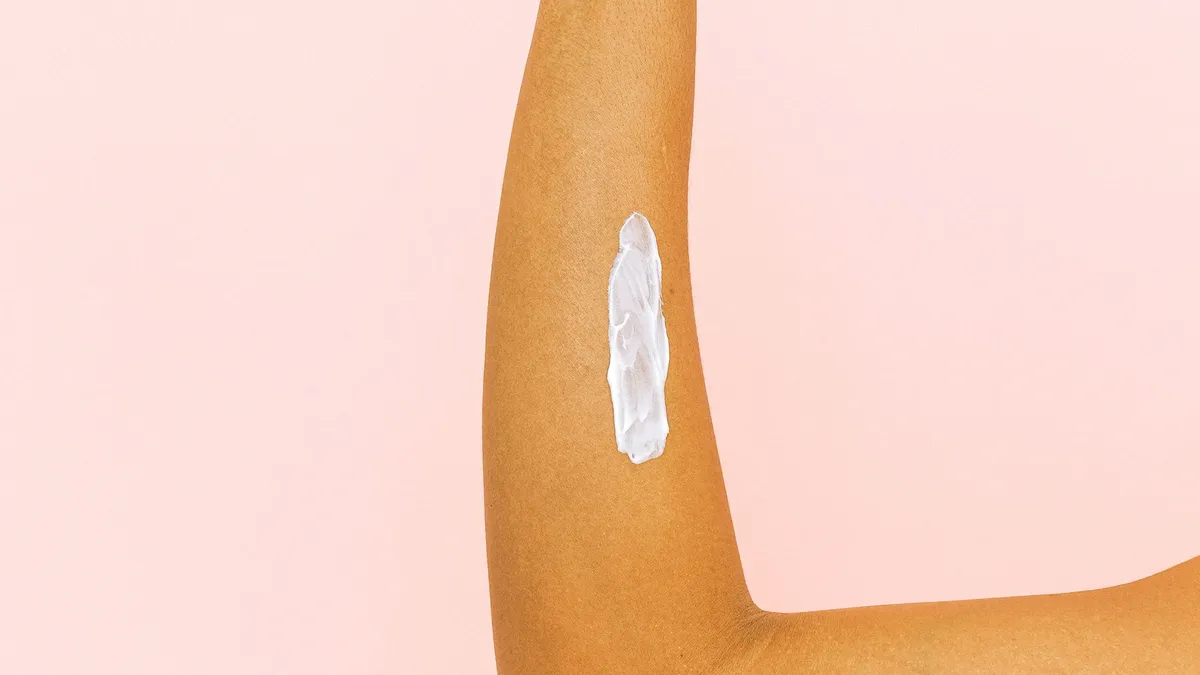
4 min readSensitive skin
How to Patch Test Skincare
A patch test means trying a small amount of a new product on a small area of skin first, so you can spot a reaction before using it more widely. Apply it, leave it, check after 24 hours and again after 48. Stop if you see redness, itching, swelling or burning.
Read guide →
3 min readOily skin
Niacinamide: What It Does and How to Use It
Niacinamide is a form of vitamin B3 found in many serums, toners and moisturisers. It is commonly used to help the look of pores and shine, and to even out the look of skin tone. Start with a low-to-mid strength, patch test, and use it once a day.
Read guide →