Niacinamide: what it does and how to use it
Skinova Diary · · 3 min read
TL;DR: Niacinamide is a form of vitamin B3 found in many serums, toners and moisturisers. It is commonly used to help the look of pores and shine, and to even out the look of skin tone. Start with a low-to-mid strength, patch test, and use it once a day.
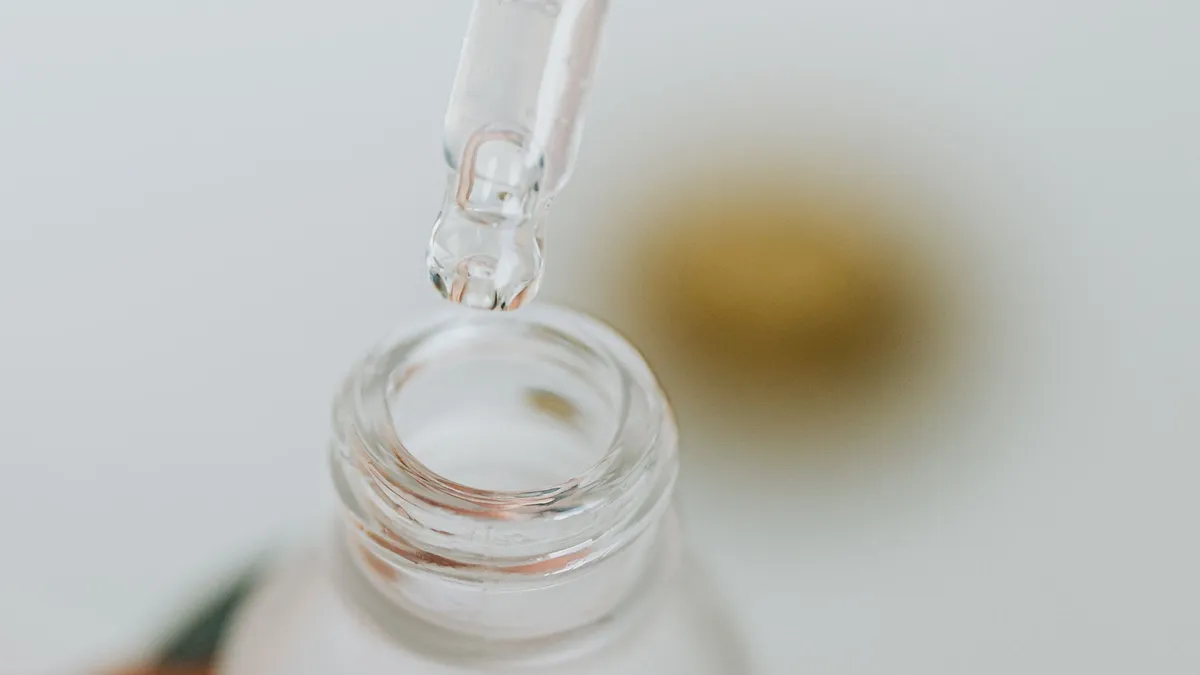
What niacinamide is
Niacinamide is a form of vitamin B3. It is water-soluble and found in all kinds of products: serums, toners, moisturisers and even some cleansers and patches.
It is a popular ingredient in Korean and Japanese skincare, partly because it is widely available and is usually well tolerated. That said, any ingredient can irritate some people.
What it is used for
In cosmetic products, niacinamide is commonly used to:
- Help the look of pores. People use it to help pores look smaller and skin look smoother.
- Help skin look less shiny. It is a regular in products aimed at oily-feeling skin. See our oiliness picks.
- Help even the look of skin tone. It is often paired with ingredients aimed at the look of uneven tone.
- Support skin comfort. It is often in moisturisers that aim to hydrate and soothe.
Results vary and take weeks. Niacinamide will not erase pores. It can help skin look and feel more even over time.
How to use it
- Patch test. See how to patch test skincare.
- Start with a low-to-mid strength. Many serums list 2 to 10 per cent. Higher is not always better, and some people find strengths of 10 per cent or more too much.
- Use it once a day, after cleansing and toner, and before your moisturiser. In many routines it goes in the morning, but evening works too.
- Build up. If your skin is comfortable after a couple of weeks, you can use it twice a day.
- Always moisturise on top. See our skincare routine order guide.
For help choosing, browse our serums and ampoules, or look at the texture and pores picks.
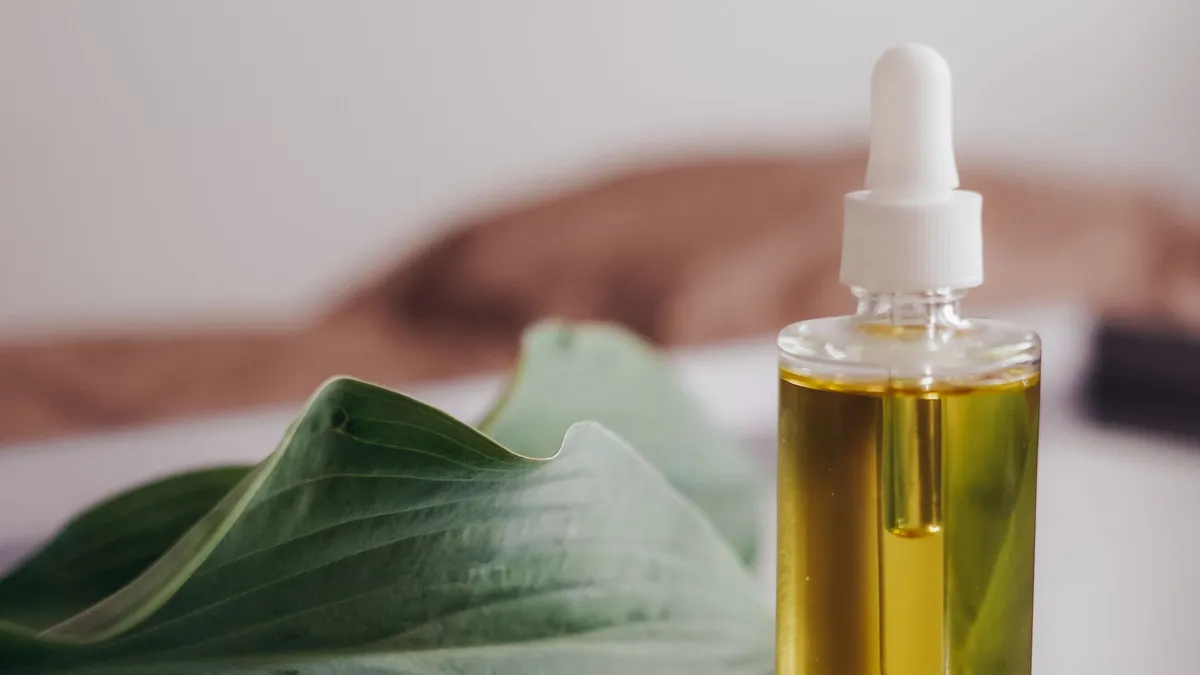
What to pair it with
Niacinamide is a friendly, flexible ingredient:
- With a moisturiser. An easy, simple pairing, and good if your skin tends to feel tight.
- With BHA or AHA. Many routines use both, but on different nights or at different times of day if your skin is easily irritated. See BHA vs AHA.
- With centella. A common combination for skin that is both oily-looking and easily irritated. See our centella guide.
If you use several active products, add them one at a time, about two weeks apart.
Common mix-ups
- Niacinamide is not niacin. Niacin (a different form of vitamin B3) is the one that can cause flushing. Niacinamide is a different ingredient.
- More is not better. A very high percentage can leave some people with a stinging or flushed feeling. If that happens, stop and go lower.
- It is not a replacement for a moisturiser. It is a serum-style step, not a hydration step on its own.
FAQ
Can I use niacinamide every day?
Most people do, once their skin is comfortable with it. Start once a day.
Can I use niacinamide with vitamin C or acids?
Many routines do. If your skin is easily irritated, use them at different times of day, or on different days, and add one new product at a time.
Will it help blackheads?
It may help the look of pores and shine. Blackheads are often handled by an exfoliating BHA. See BHA vs AHA, or our guide to blackheads vs sebaceous filaments.
Does it work for dry skin?
It can still be used on dry skin, particularly in a moisturiser. Pair it with a hydrating step.
When should I see a doctor?
If you have persistent or severe acne, or a reaction that is painful or will not settle, see a GP or dermatologist.
Next steps
- Build a short routine with the routine builder
- Browse serums and ampoules
- See oiliness picks or texture and pores picks
This guide is general information, not medical advice. For persistent or severe acne, see a GP or dermatologist. How we write our guides: the Skinova Diary team writes them as general information, drawing on product labels and public guidance.
Related guides
6 min readOily skin
Moisturiser for Oily Skin: Do You Need One?
Yes. Oily skin can still feel dehydrated, and skipping moisturiser does not make skin less oily-looking. Choose a light gel or lotion, use a small amount, and add it as the last step after cleanser and any serum. If your skin is dry or dehydrated instead, the same step applies with a richer texture: see the dry skin section below.
Read guide →
3 min readBreakouts
Skincare Routine Order: What Goes First
Apply products from thinnest to thickest: cleanser, toner, serum, then moisturiser. Evening routines can start with an oil cleanser if you wear makeup. Exfoliants go on clean skin and are used sparingly. Add one new product at a time.
Read guide →
4 min readBreakouts
BHA vs AHA for Oily, Acne-Prone Skin
AHAs (such as glycolic and lactic acid) work on the surface of skin and help it look smoother and brighter. BHA (salicylic acid) is oil-soluble, so it is often chosen for oily, congested-looking skin and the look of pores. Start with one, once or twice a week, and patch test first.
Read guide →